In Connection is a Creative Psychotherapy and Play Therapy service
What is In Connection Therapy?
In Connection Therapy is a unique play therapy and psychotherapy service that places human connection at the centre of healing. We offer individual support to children, teenagers, and adults, as well as their families and the services they engage with.
Our approach prioritises genuine relationship-building, ensuring every person feels seen, heard, and understood - essential foundations for trust and growth. Drawing on neuroscience and creative therapies, our service views connection not simply as a tool, but as a way of being that empowers individuals to embrace dignity and individuality.
Our service supports people in finding meaningful connection with themselves, their communities, and the wider world, providing a welcoming space for all backgrounds, with particular experience supporting those with disabilities and neurodivergent identities.
At its core:
Healing happens when a person feels genuinely seen, heard, and understood
This sense of connection is not something you apply; it’s something you create and hold
In practice, this means:
Connection comes before intervention
Relationship comes before method
Safety comes before progress
Our work is grounded in:
Neuroscience
Attachment theory
Interpersonal neurobiology
Belief that the individual client and their caregivers are the expert on their own experience
What is Play Therapy and Creative Psychotherapy?
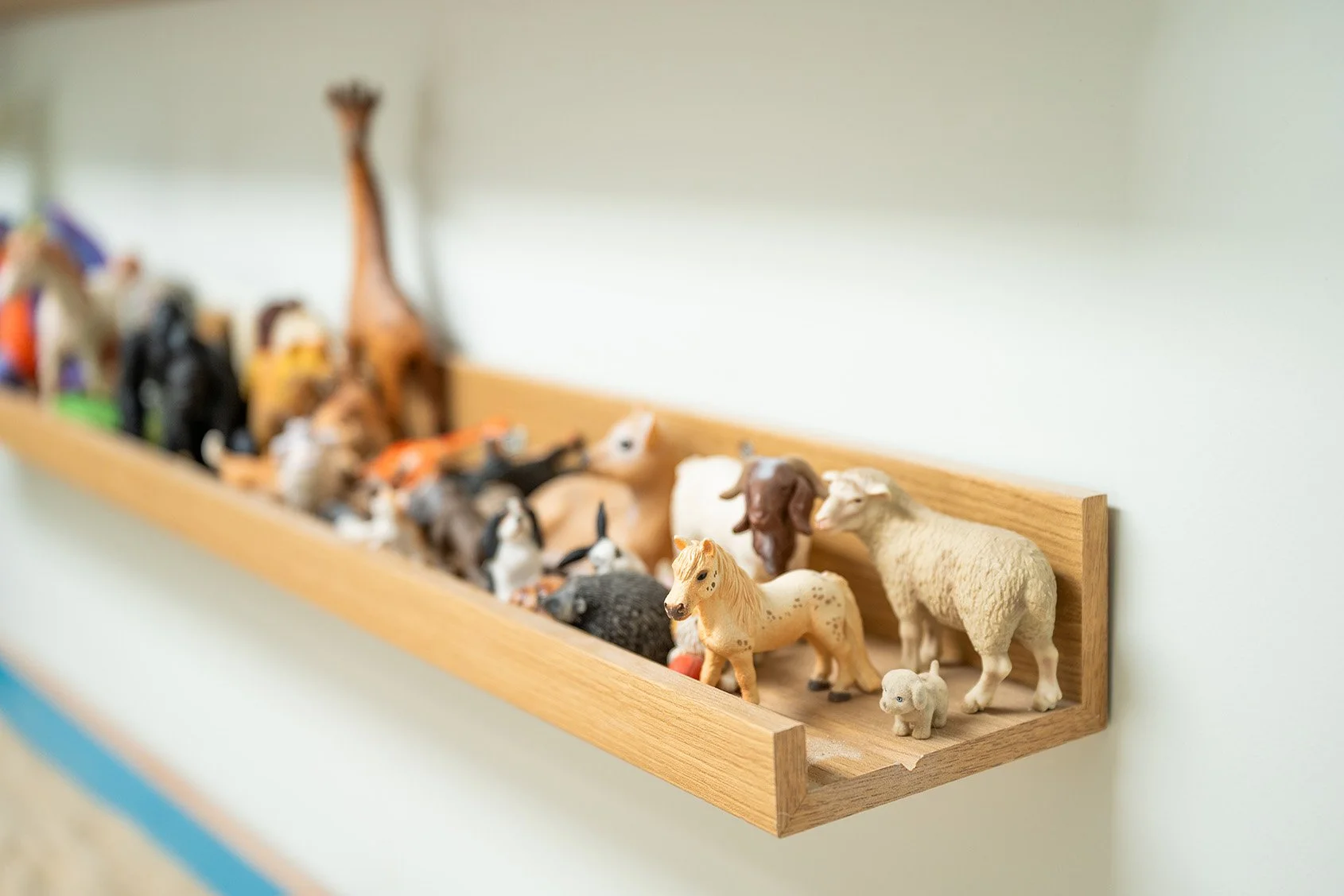
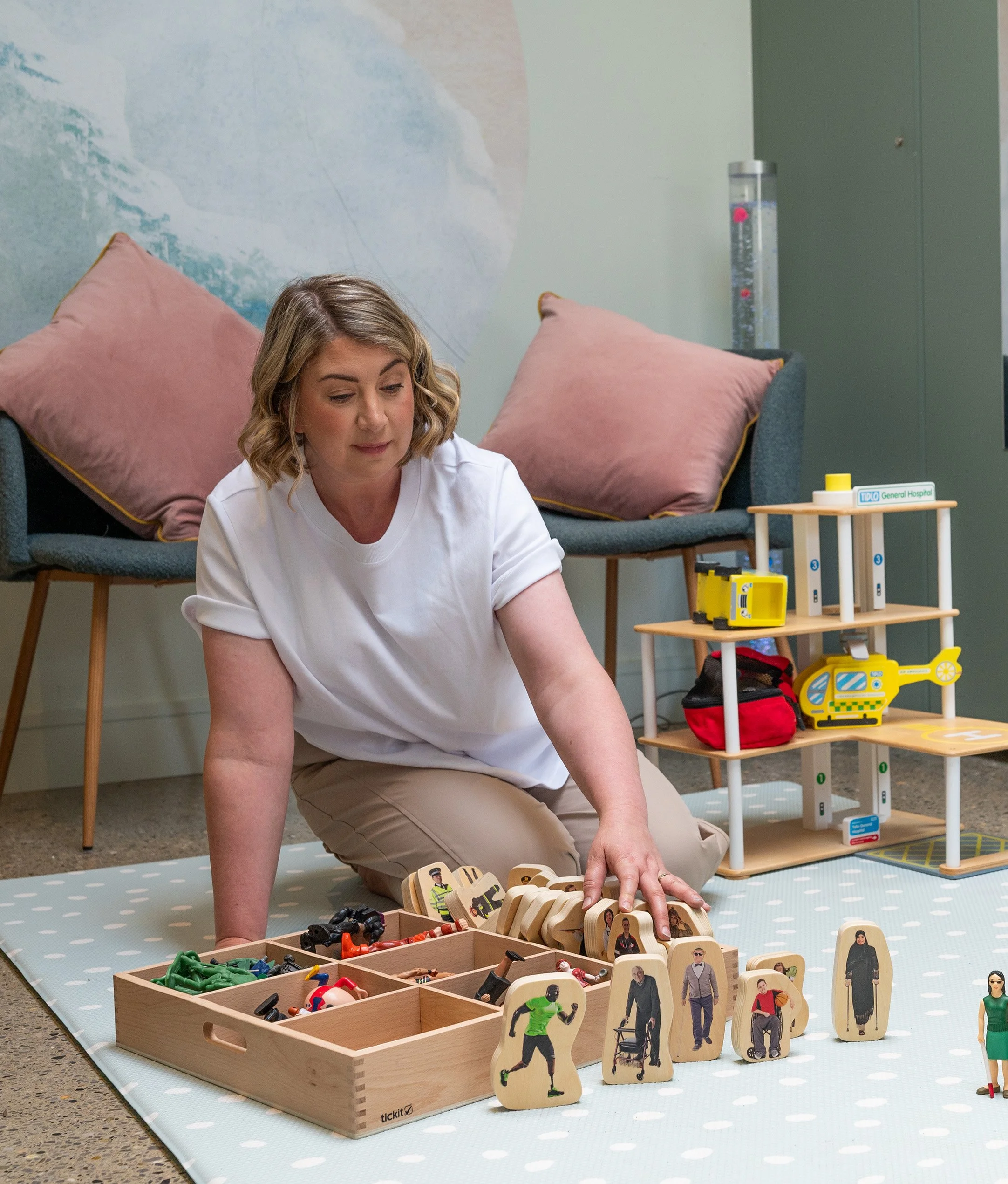
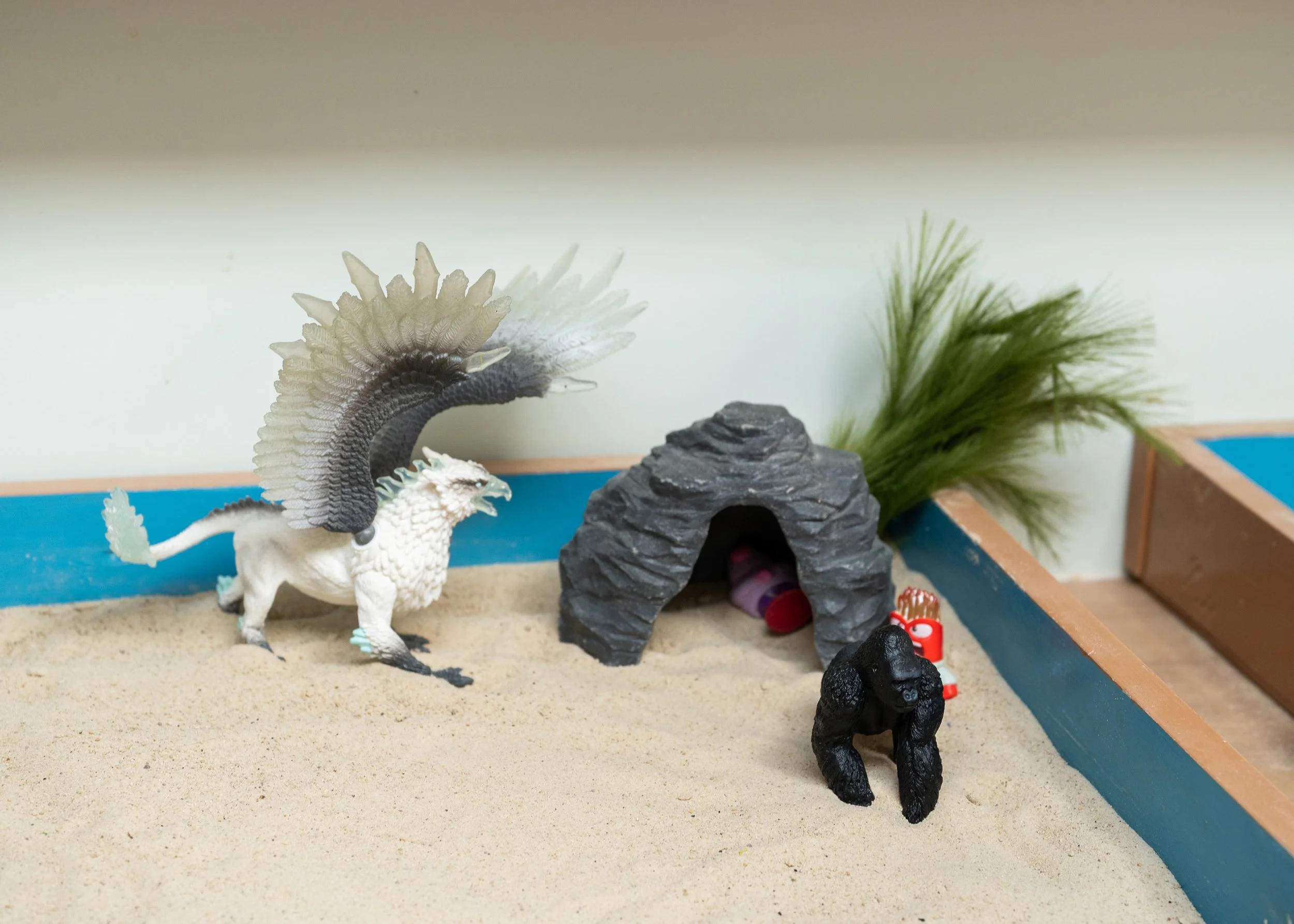
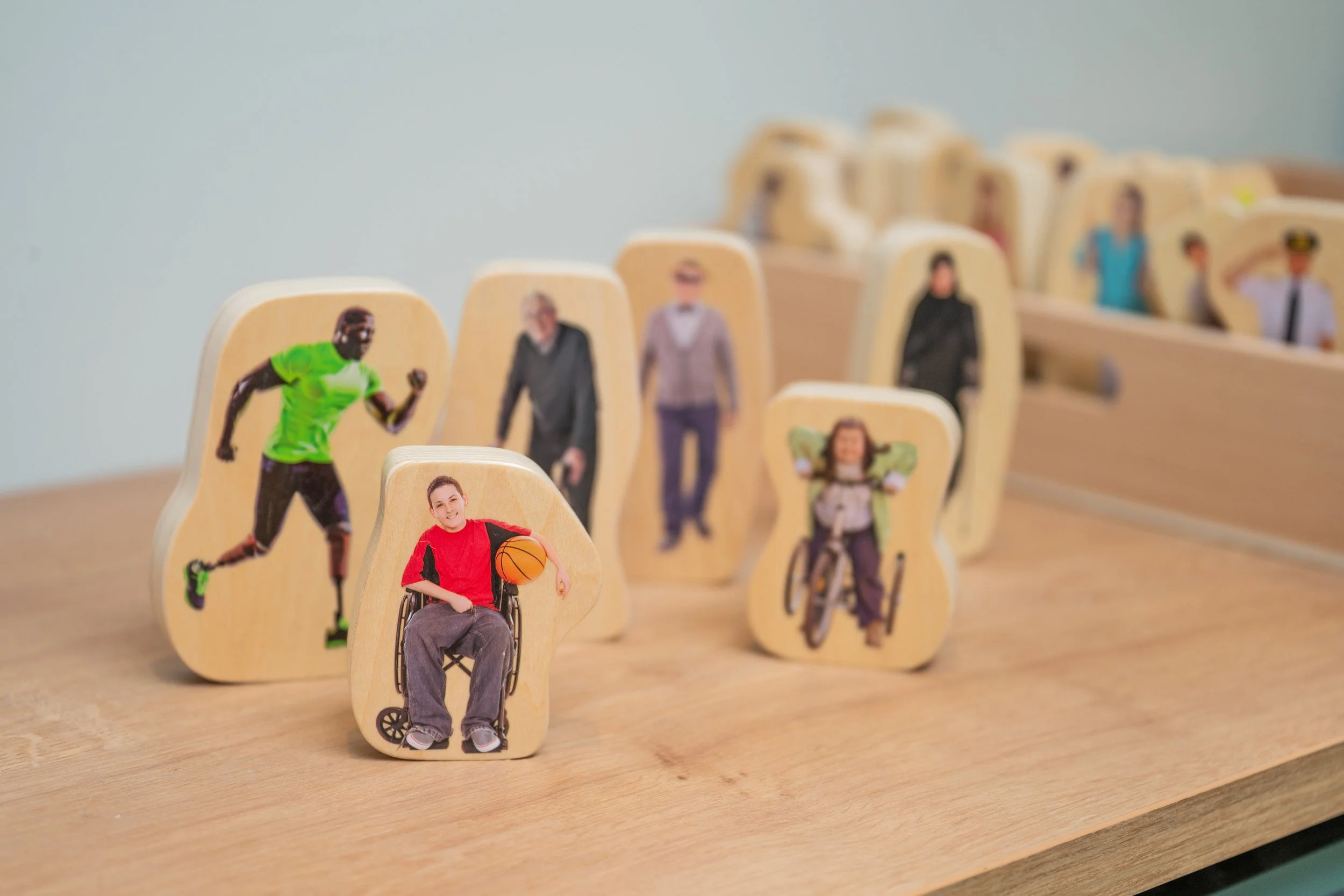
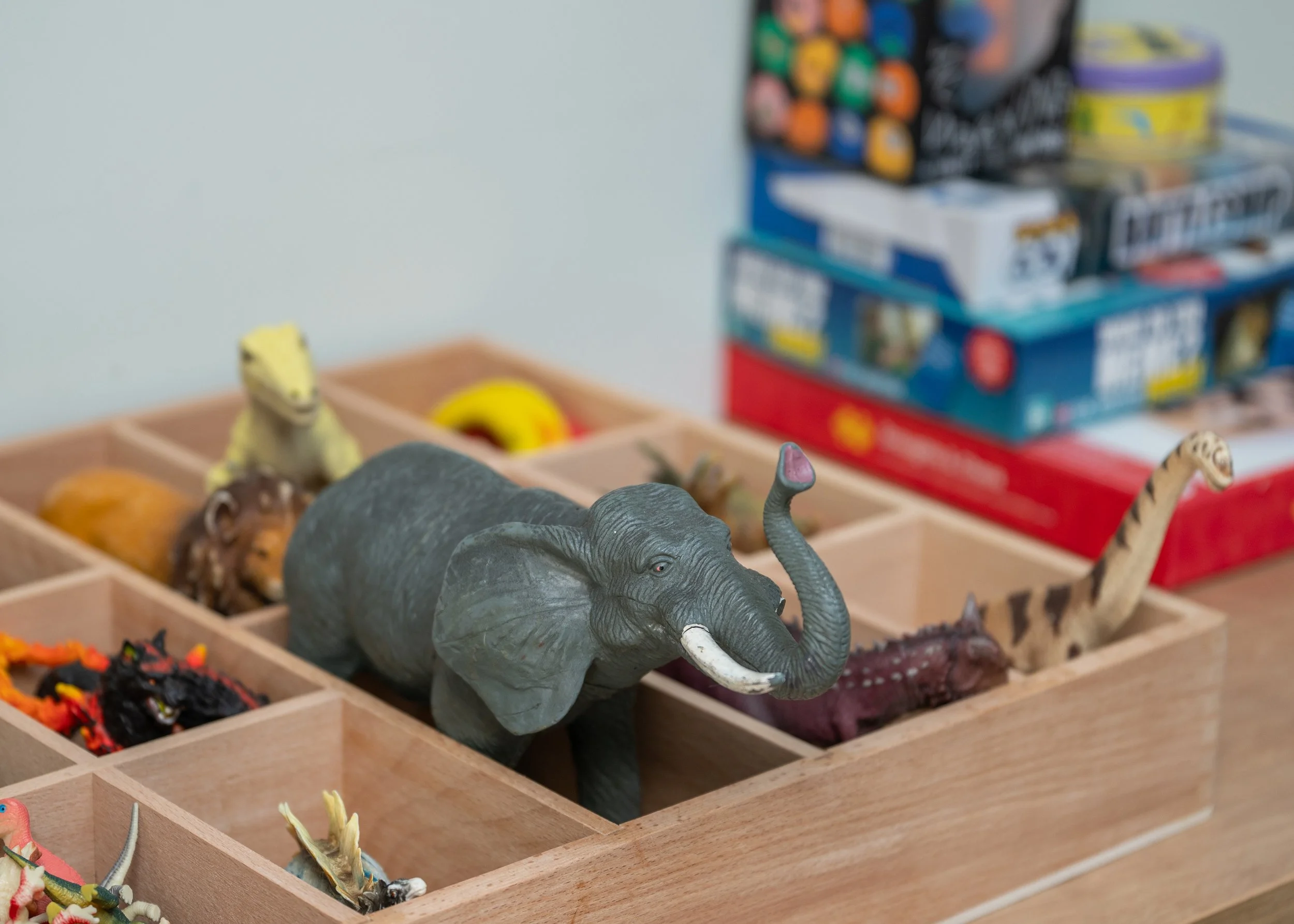
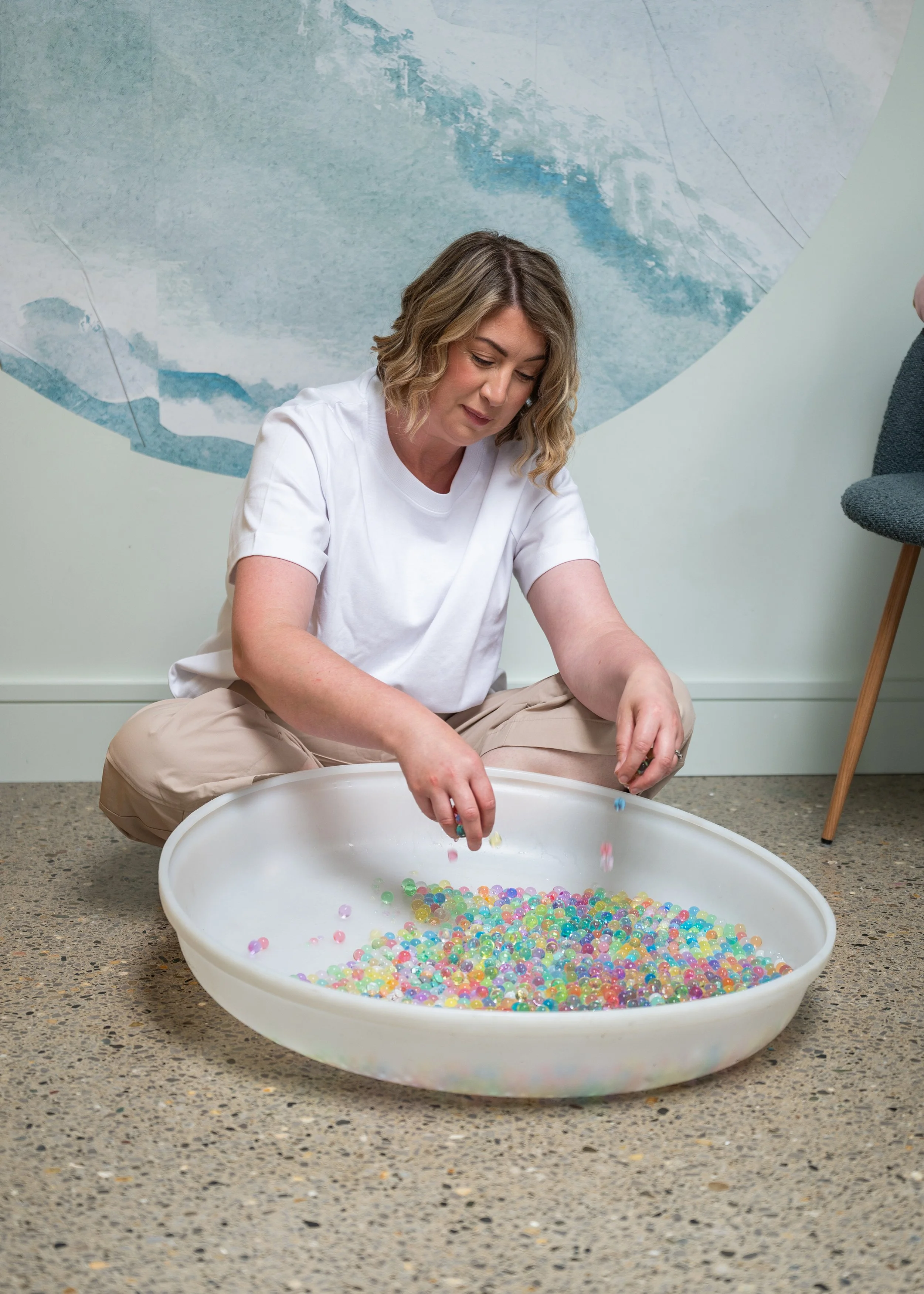
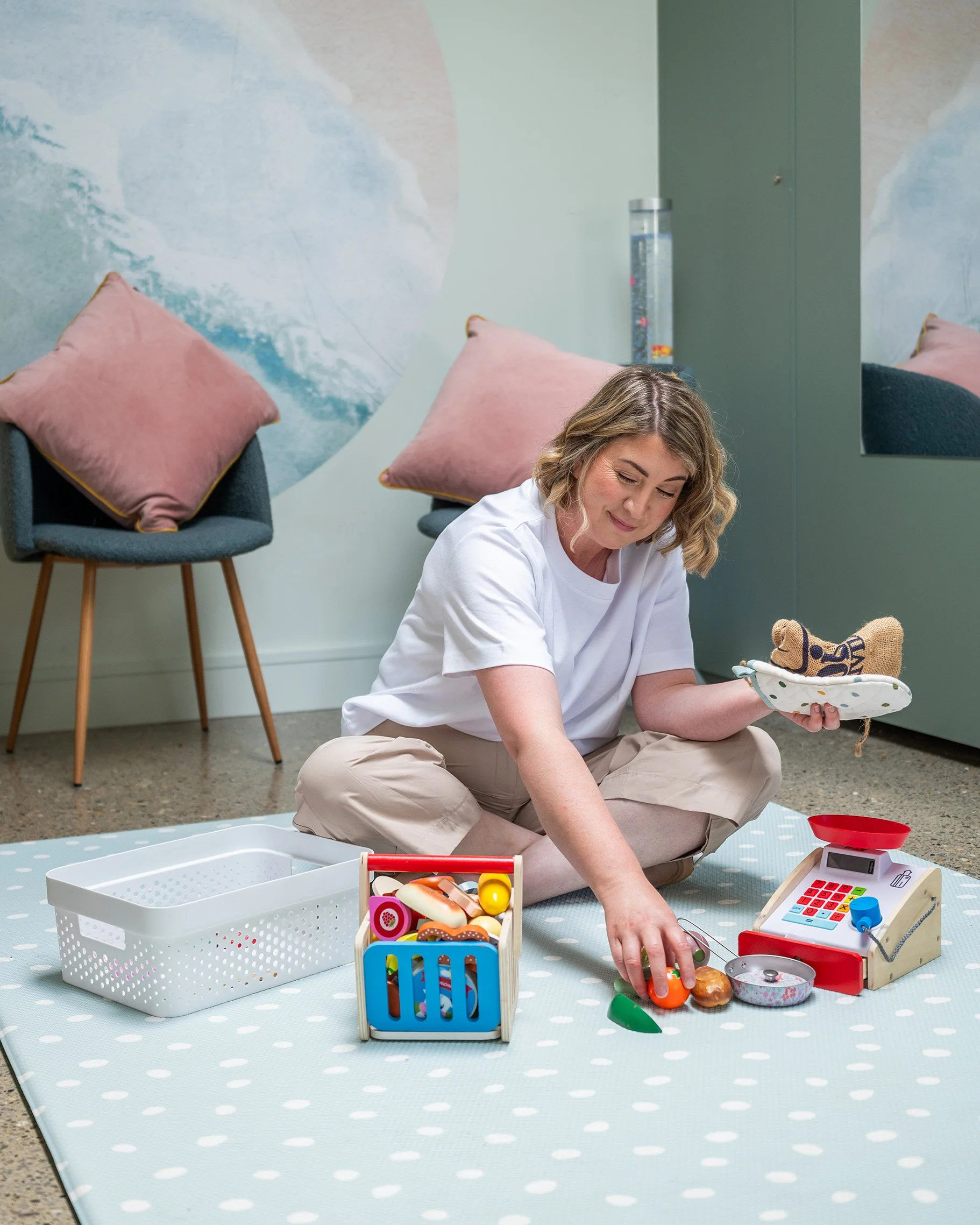
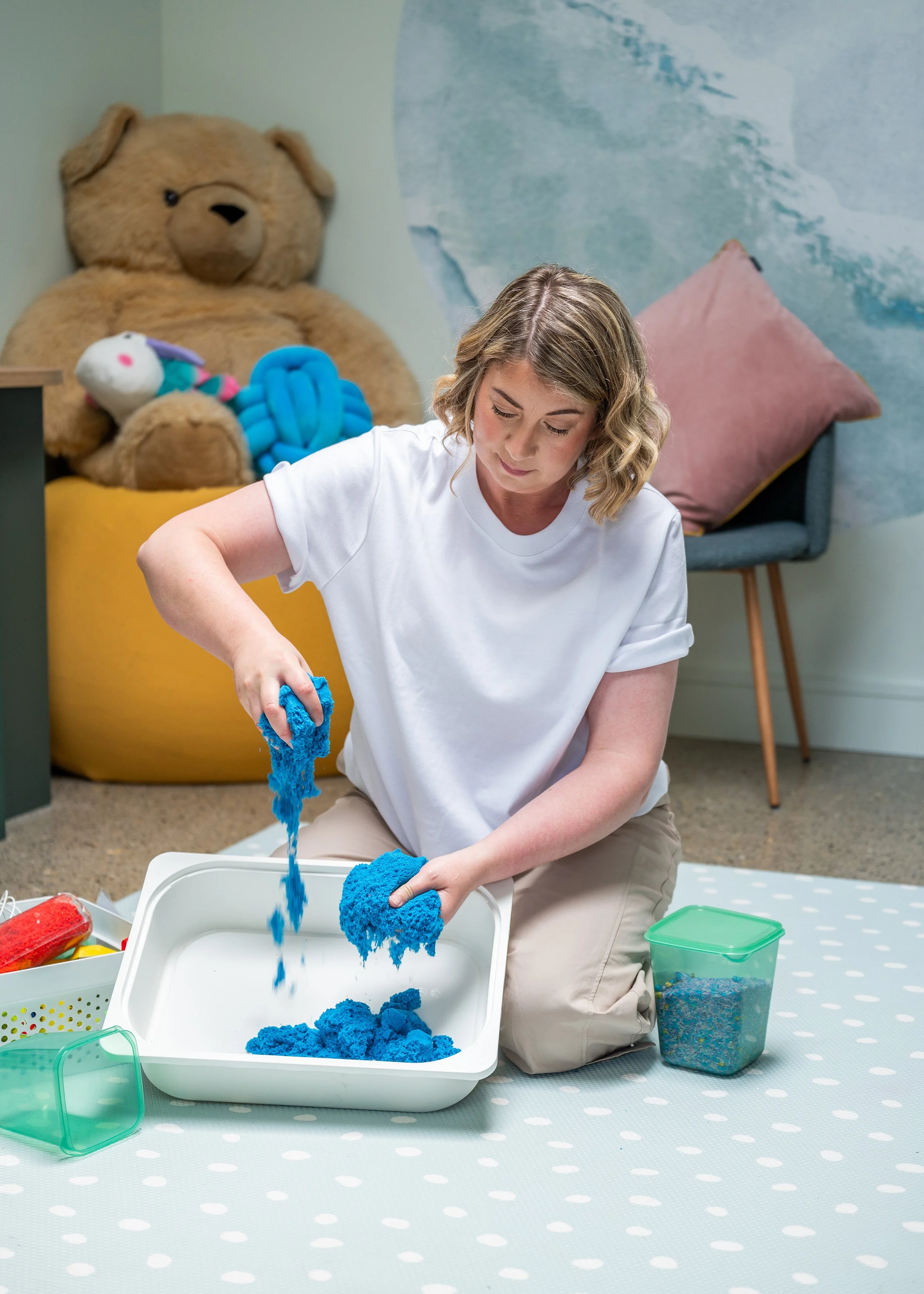
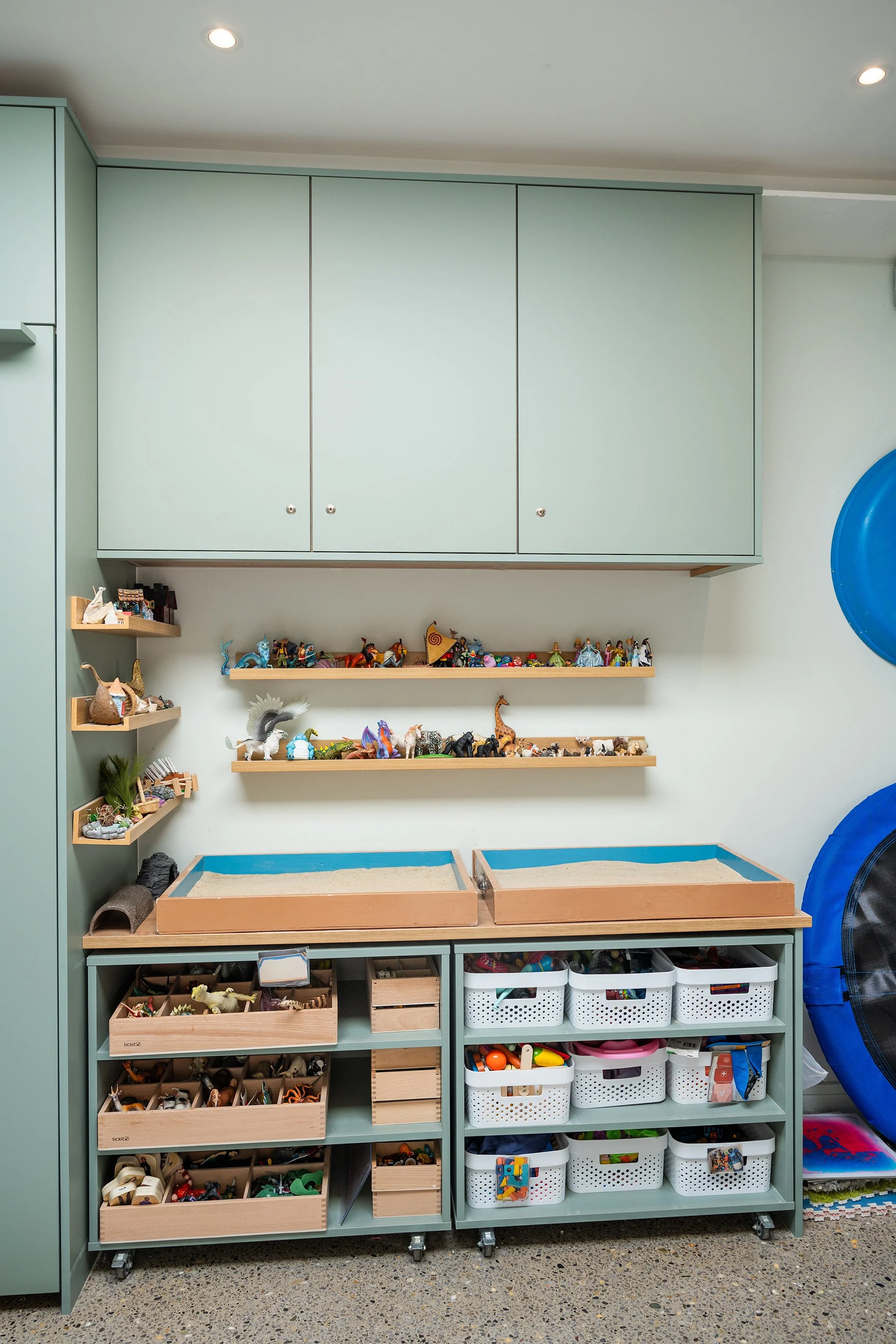
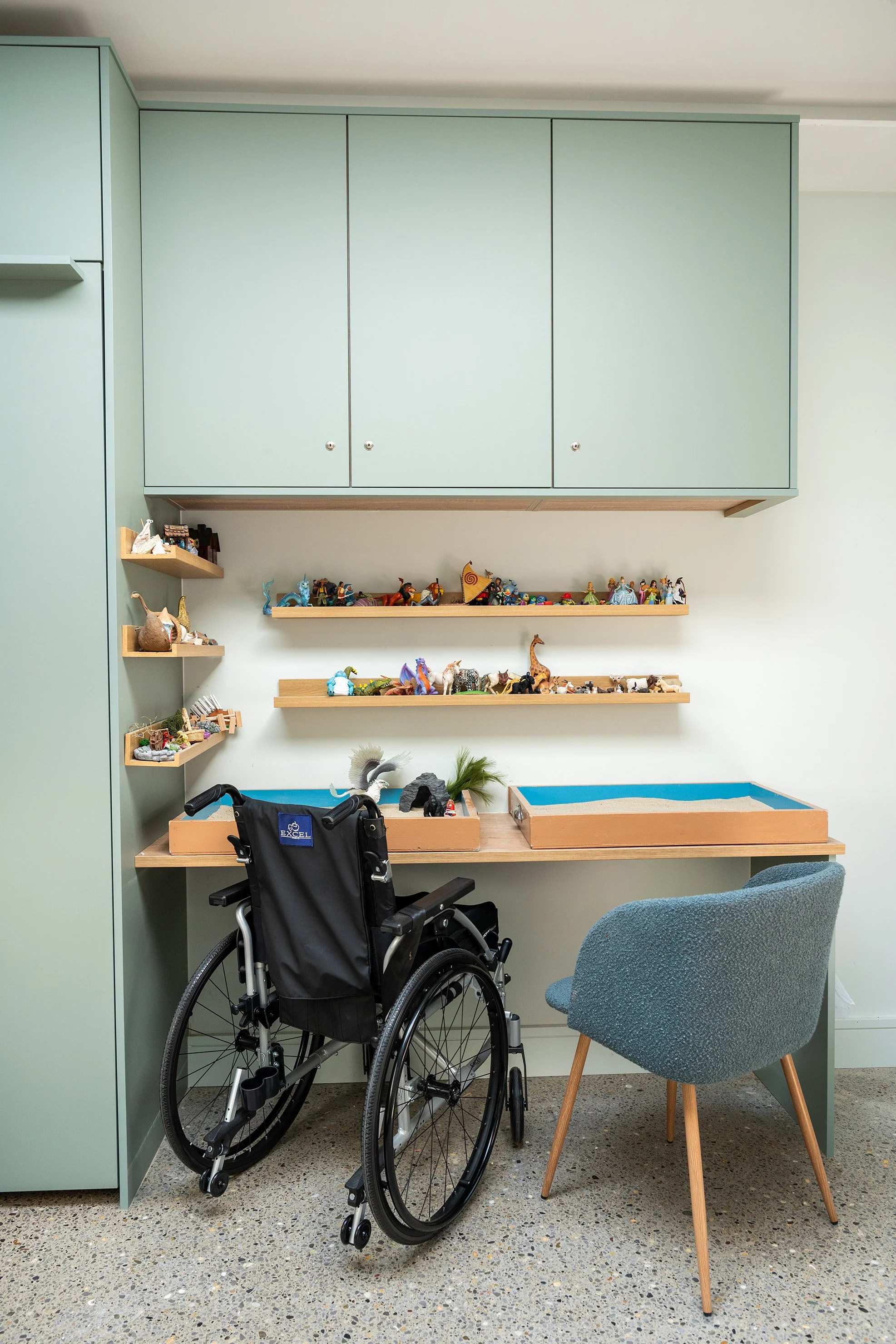
Both play therapy and creative psychotherapy are deeply personalized interventions that meet individuals of all ages and abilities at their specific level of development and comfort. By integrating the use of toys, art, sandtray, and sensory materials, these practices allow people to express complex feelings through their natural language of play and creativity rather than relying solely on verbal communication.
Adaptable Communication
For those who find it difficult to put experiences into words or use other means to communicate - these therapies provide alternative “languages” like rhythm, colour, or movement to express inner thoughts.
Therapists can use Lamh, visuals and assistive devices according to the communication preferences of each client.
We work in a client led way
Sensory Engagement
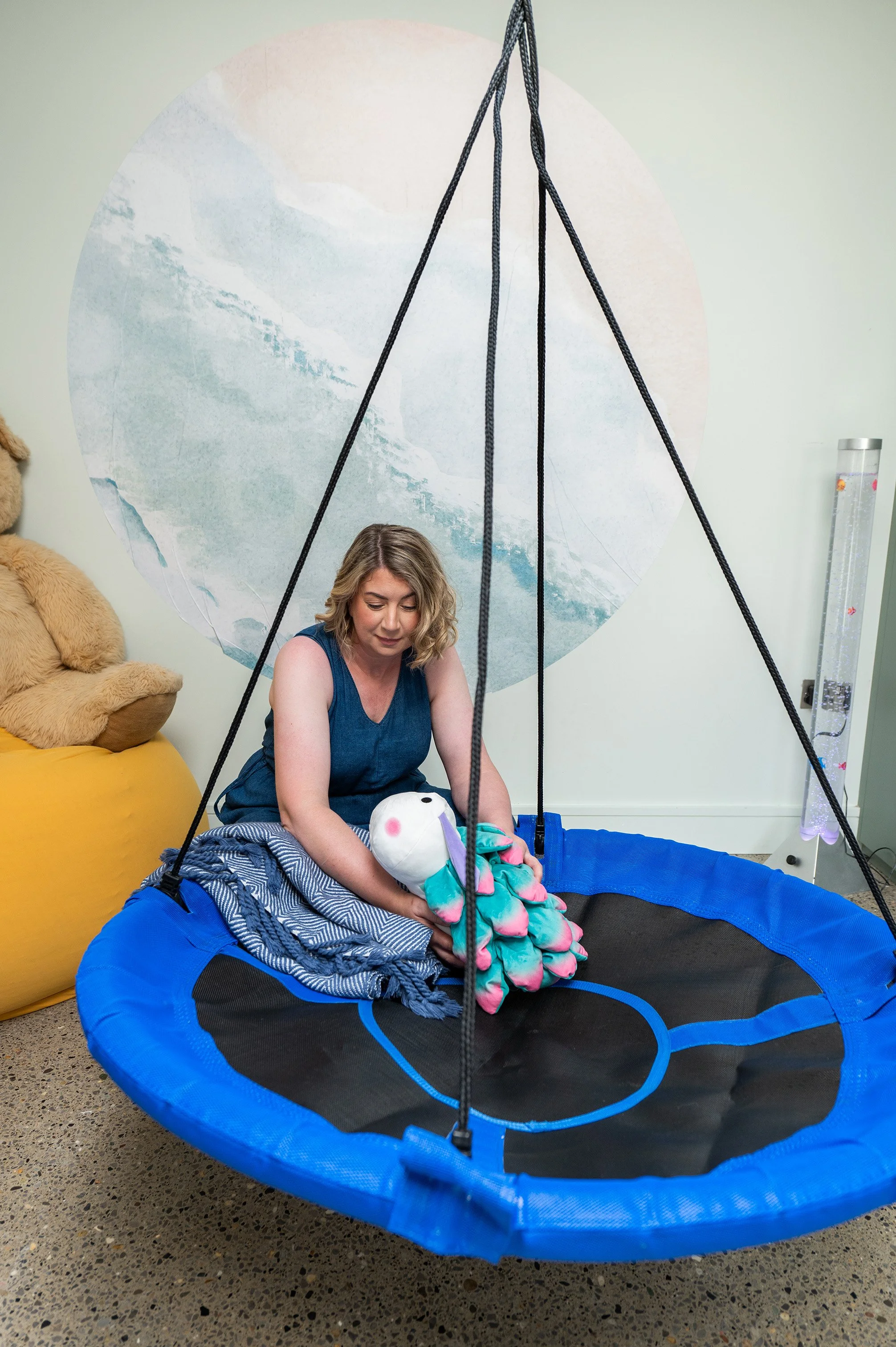
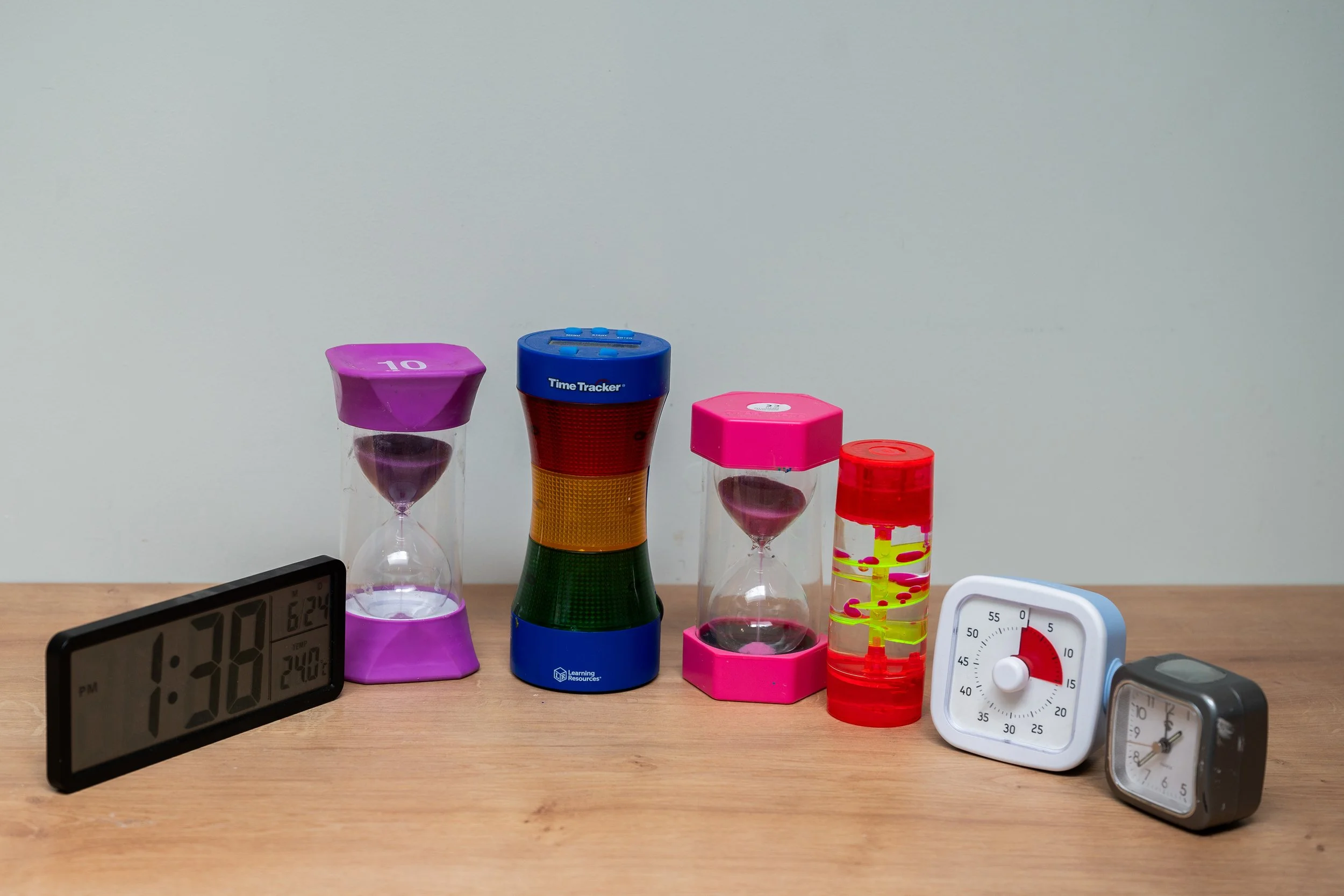
Engage with their environment in a way that feels safe, following the pace of each client. The use of adapted resources, equipment and with relationship at the core, each client can be supported to explore their space according to their specific sensory processing preferences and physical abilities
Empowered Choice
Sessions are participant led and person centred. The therapist follows the individual’s lead, adapting the environment and resources in a practical way to ensure there are more opportunities for expression. The therapist adapts their way of being to limit barriers to relationship building, altering pace of speech and use of body and movement to ensure they are following the client’s cues.
Holistic Support
Creative and play-based therapies bridge the gap between physical sensation and emotional understanding, supporting a person’s overall sense of self at any life stage.
The Therapy Process
1 - Initial Contact
When we receive a referral we will arrange an initial phonecall or zoom call to see if our service will be the right support for you. We will follow your communication styles and try to ensure as much flexibility as possible through how and when we meet. This can be as simple as choosing to have the camera on/off during the call, eye contact is not important, your comfort is.
Following this chat, the therapist meets with the caregivers for intake sessions.
2 - Intake session
It is an opportunity for you to find out more about the therapy process and to share your story thus far. It is an informal chat where we will discuss your concerns, and we can speak about how therapy may support you.
Before these meetings, you will receive information from the therapist outlining the therapy room environment and how we will tailor the space to support you in feeling as comfortable as possible.
3 - Therapy begins
Each client regardless of age or ability will receive a letter, story or a video to give them information about In Connection and also to ensure that their consent is given in an individual and meaningful way. Upholding the dignity and rights of each individual is paramount at In Connection.
The Therapy Space
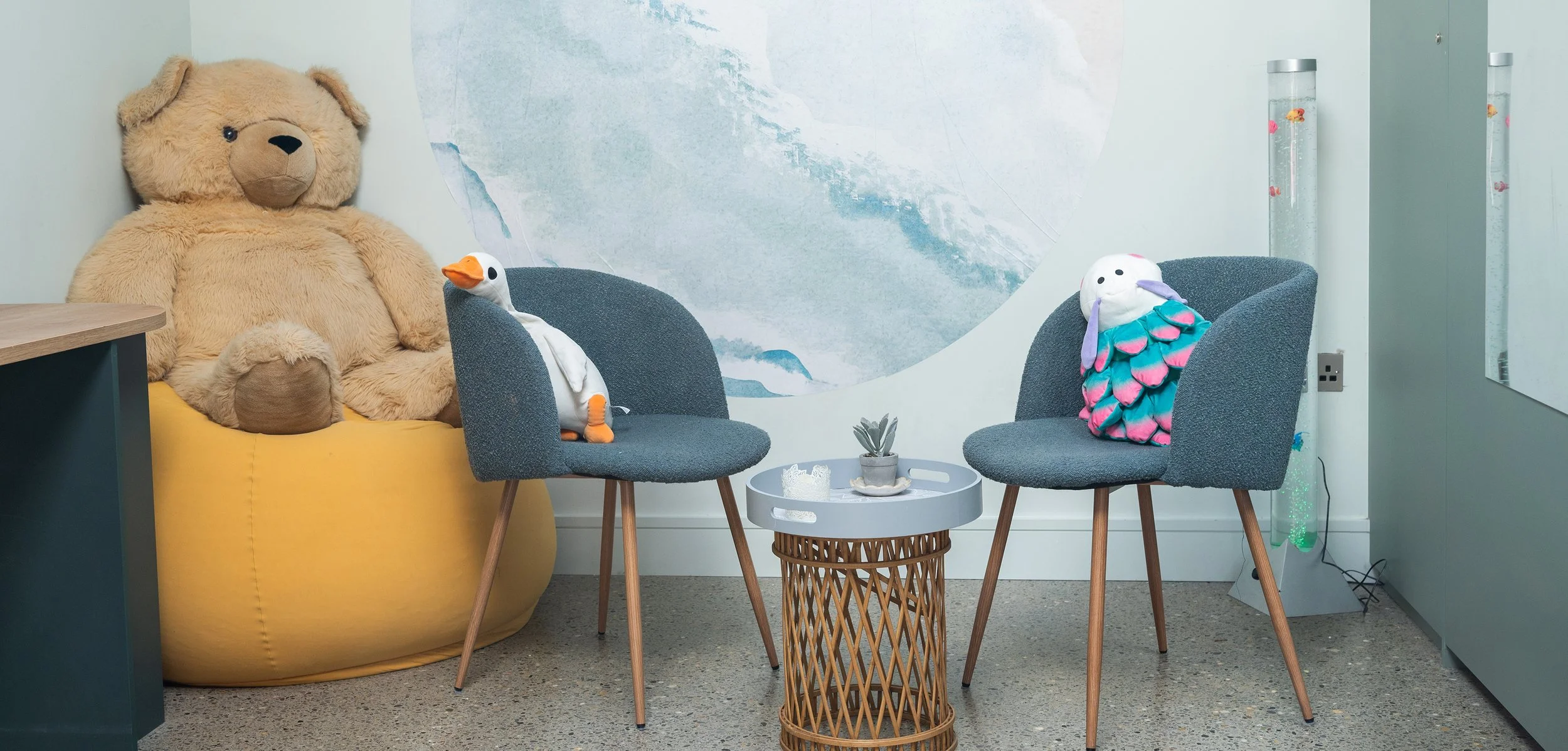
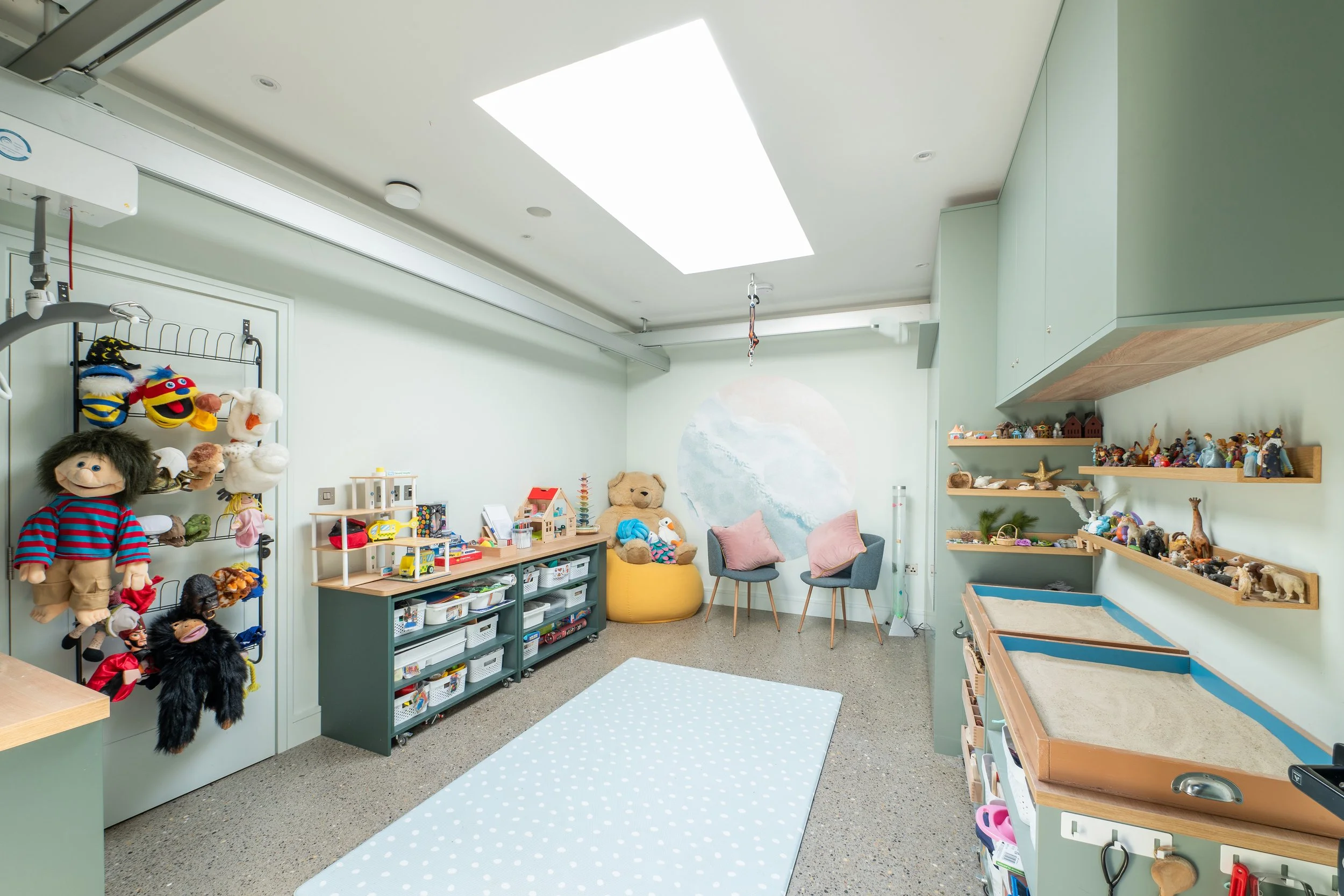
The physical space is a core part of the practice, not a backdrop. The space responds to the person, not the other way around.
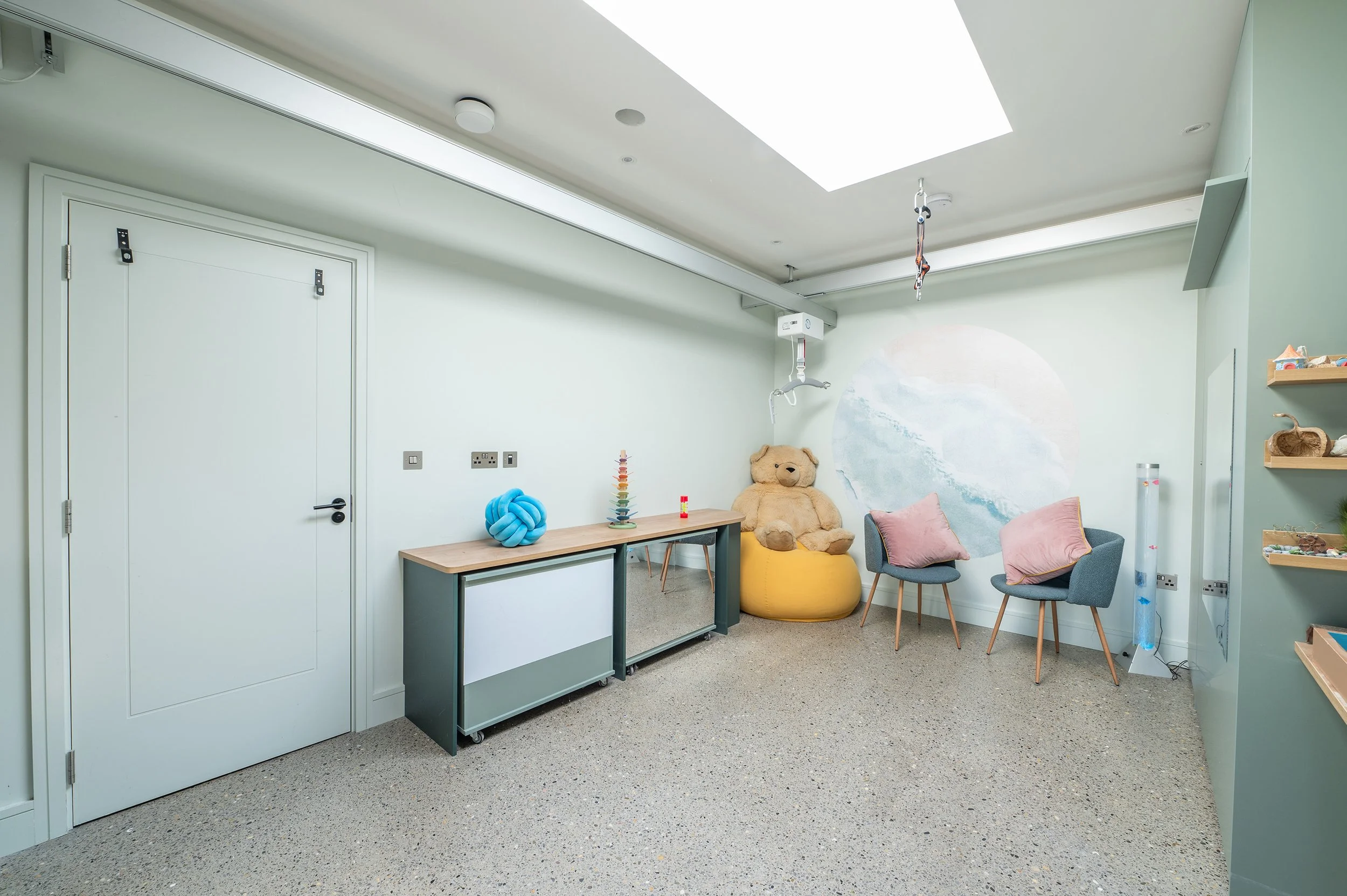
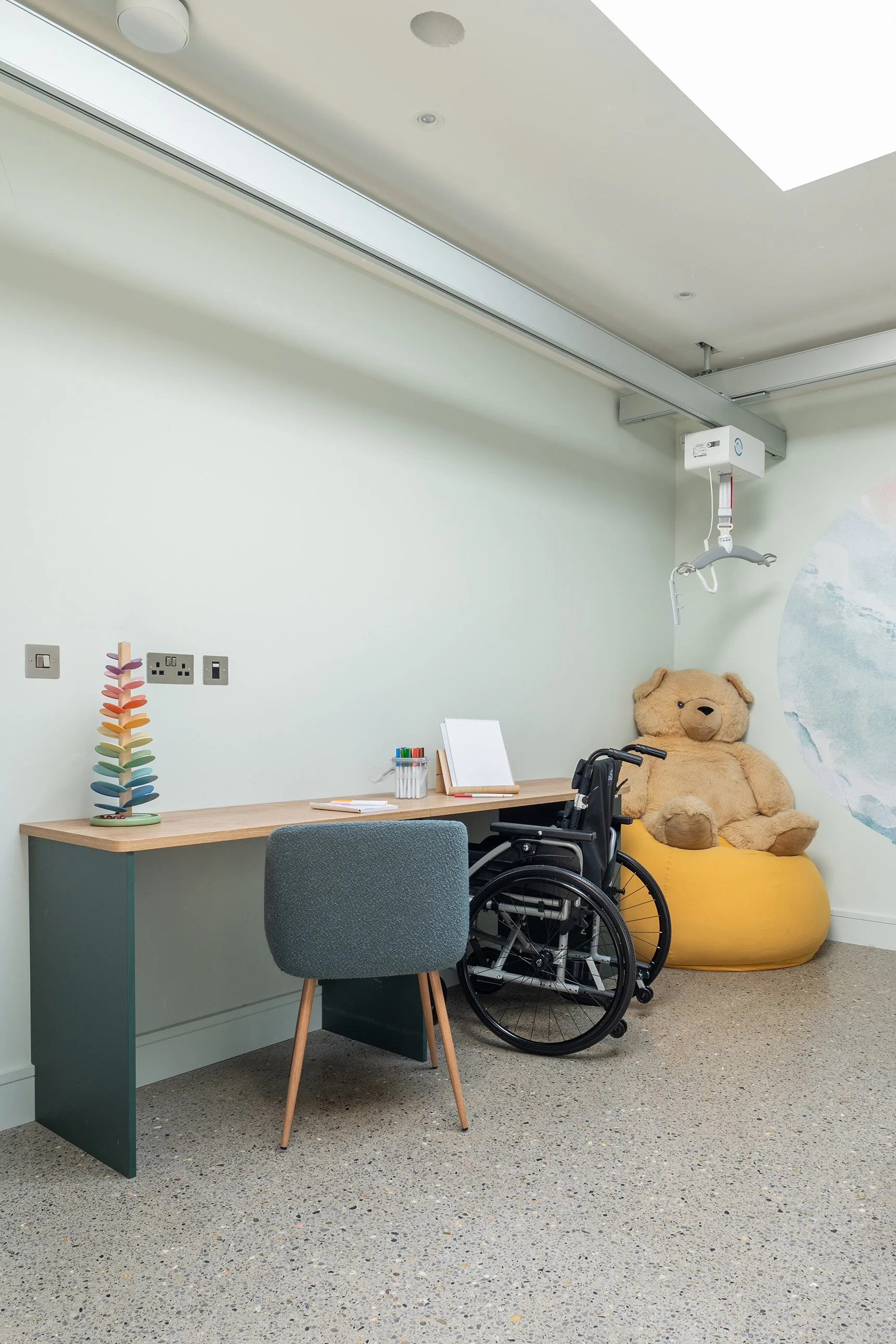
The therapy space is thoughtfully designed to centre the individual, adapting to each client's unique requirements. Rather than being a static backdrop, the room itself is dynamic, wheelchair accessible and intentionally created to minimise overwhelm. Sensory adaptations are a core focus: lighting, sound, furniture arrangement, scents, and levels of visual stimulation can all be adjusted to suit personal preferences and capacities. This flexibility ensures that each person can engage in a way that feels secure and comfortable, regardless of sensory or physical needs.
The space can easily shift as needs change, whether that's altering the environment for someone sensitive to noise or adjusting furniture for mobility. Communication methods, including speech, Lámh, and non-speaking cues, are all supported to foster true connection.
-
![A room with shelves of puppets, stuffed animals, and toys, two chairs with pink pillows, a large yellow beanbag, and a light green wall with a mural of a wave.]()
Left of the room - full setup
-
![A room with a mobile mirror cabinet, giant teddy bear, yellow bean bag, and two grey armchairs against a soft mountain mural.]()
Setup for client needing a more minimalist space
-
![A room with a desk, a chair, a wheelchair, a large teddy bear sitting on a yellow beanbag.]()
Wheelchair accessible setup
-
![Shelves filled with assorted toys, figurines, and storage boxes.]()
Sandtray full setup
-
![Room with light green cabinets, wooden shelves filled with small figurines and toys, a wheelchair, a grey chair, and a table.]()
Sandtray - wheelchair accessible setup
-
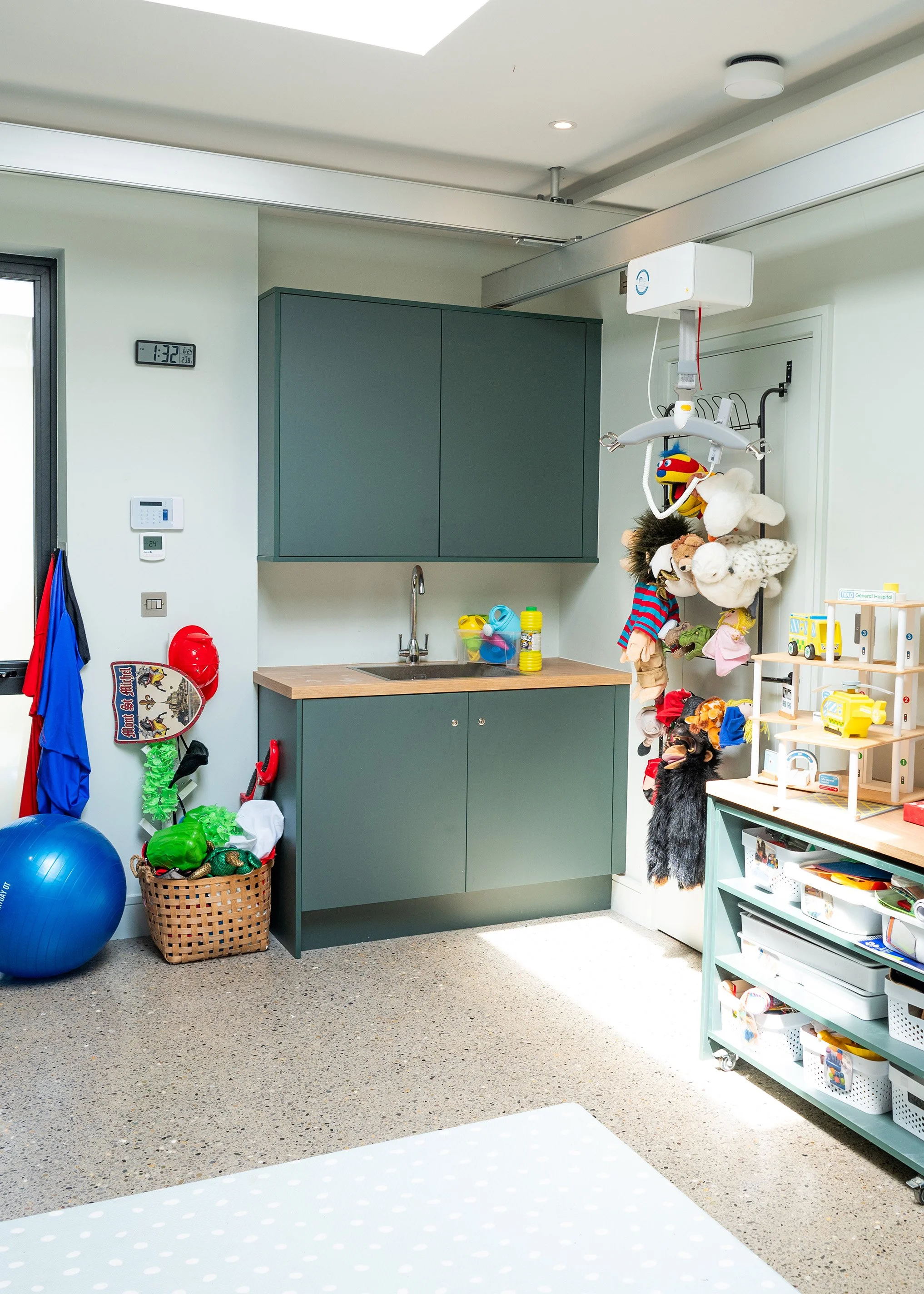
![A room with a green kitchenette unit, ceiling hoist with hanging plush toys, exercise ball, and shelving stocked with children's toys and storage bins.]()
Puppet/sensory apply area - full setup
-
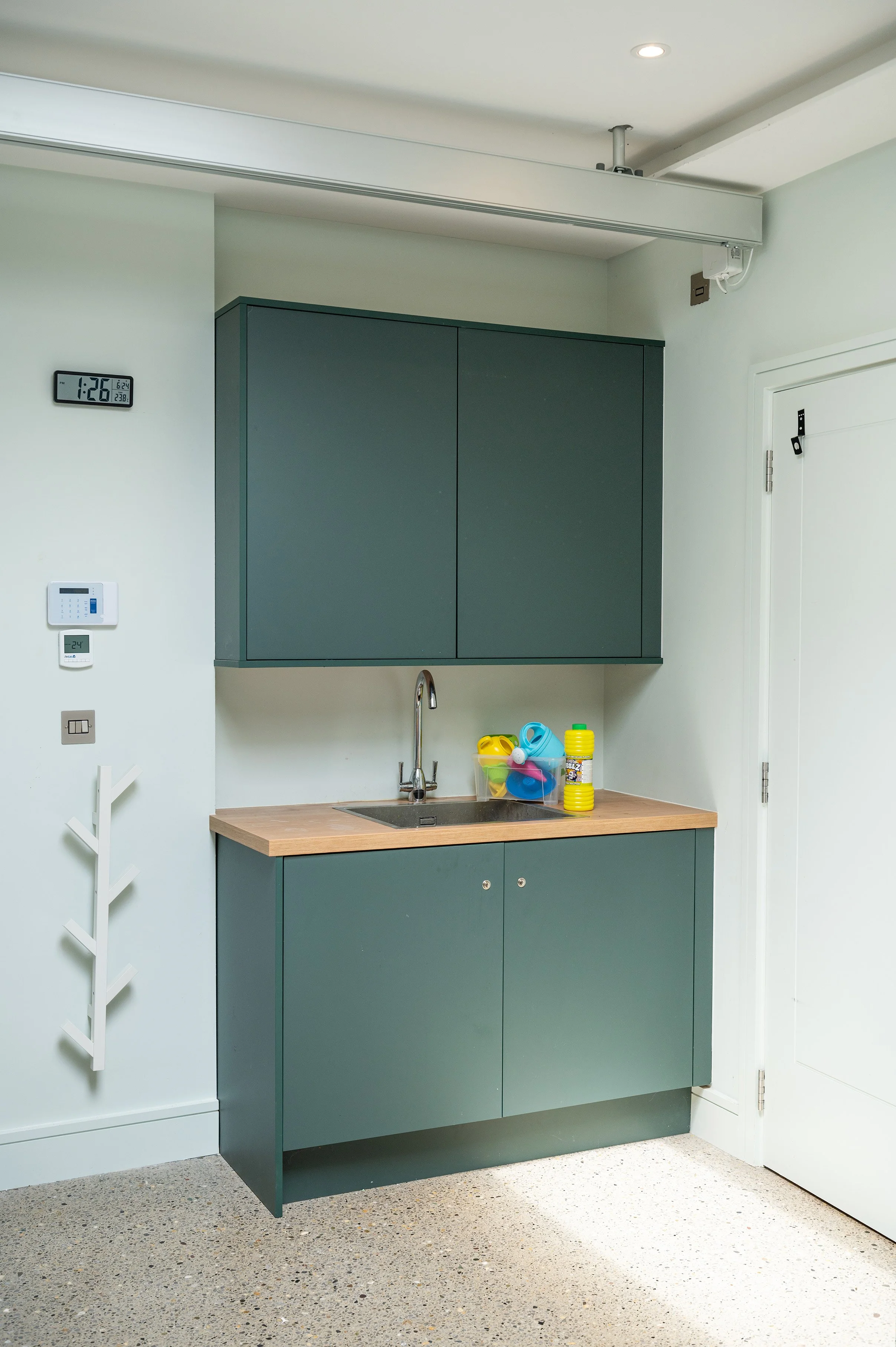
![A room with a green kitchenette unit with a few water toys on the counter and a wall-mounted digital clock on the wall.]()
Puppet/sensory apply area - minimalist setup
-
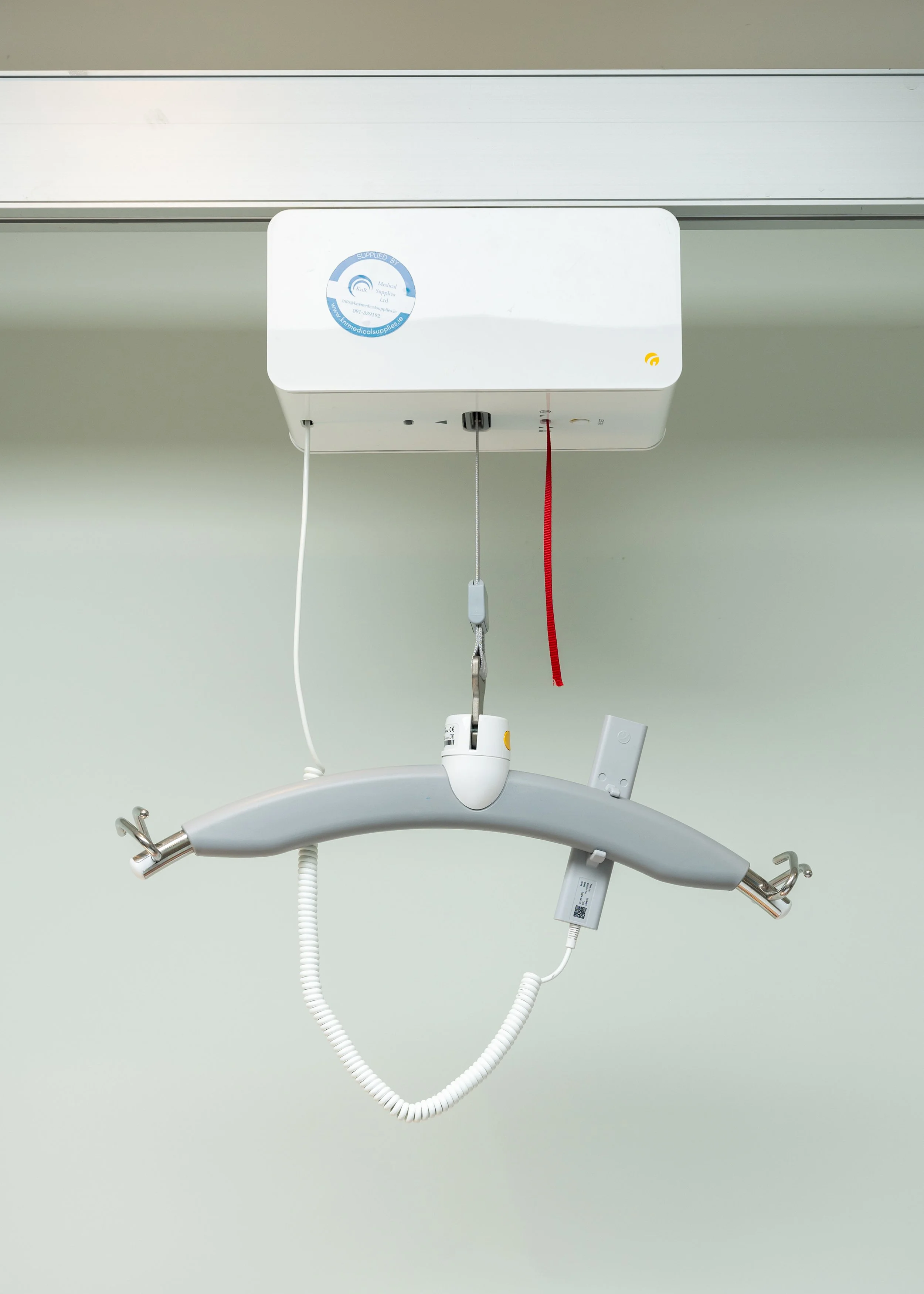
![Overhead ceiling hoist with lifting bar and control unit, mounted on a wall track.]()
Ceiling hoist
Our Therapists
Maeve Brogan
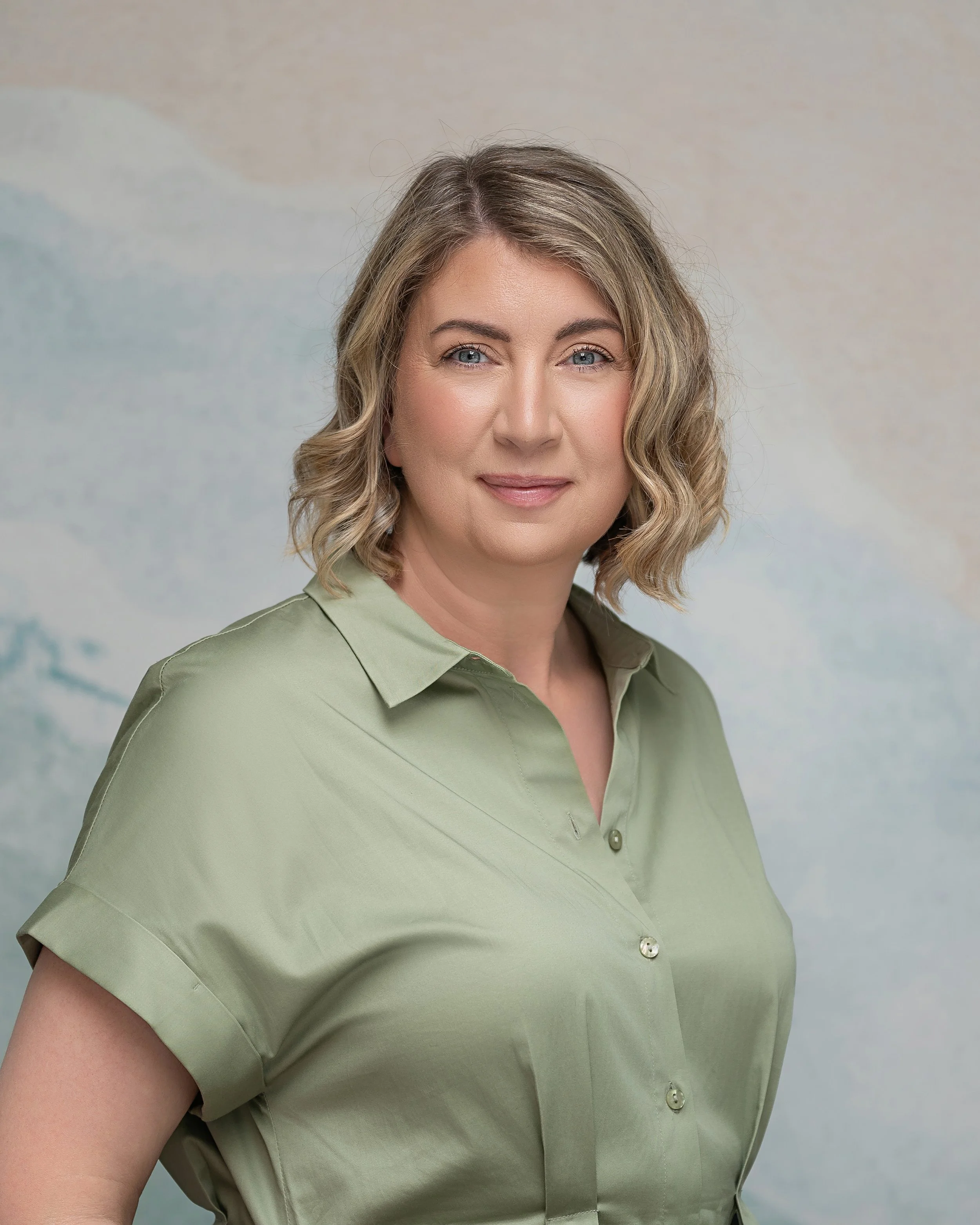
Maeve has over 25 years of professional experience in this area as well as a lifetime of personal experience as an Audhd person in a neurodiverse home.
Maeve worked in both residential settings and within the special school system both in Ireland and Scotland, where her experiences deeply influenced her decision to transition from teaching to play therapy and psychotherapy. Maeve could see that connection, rather than mere behavioural change, must be the starting point and the focus in therapeutic work.
She emphasises that everyone deserves to be met with profound human connection through therapy, as relational presence nurtures their growth and affirms their inherent dignity and individualism.
Building a therapeutic relationship is fundamentally about connection.
Maeve has completed her MA in Creative Psychotherapy, choosing to focus her research on the neurobiology and neuroscience behind how this connection occurs within the therapeutic relationship.
Maeve has developed and rolled out training programmes through the Impact Trade Union aswell as presenting her work and research at international conferences such as IAPTP, Disability Psychotherapy Ireland and the EAIP. As a parent to neurodivergent children, Maeve also advocates strongly for mental health supports for disabled children and their families through organisations such as Muscular Dystrophy Ireland and the European Congress of Childhood Onset Disability.
With both personal and professional experiences in the world of disability, Maeve wants to build a space where each person can find their own safe way of being “In Connection” with themselves, their community and the world around them.
Additional services
-
At In connection, we support people to build connection from the inside out. Work begins with the person: creating space to understand themselves, their needs, their nervous system, their communication, and the relationships that matter to them. From there, support can widen to include family, school, day service, residential setting, and community, so that the person is not expected to carry change alone.
We offer creative, relational psychotherapy alongside wider systems work. This may include direct therapy with a child, young person or adult; sessions with parents, carers or family members; and consultation with the people and places around them. We can work with schools, day services and residential settings to help translate therapeutic understanding into everyday support, communication, routines and relationships.
Our approach is neuroaffirmative, trauma-informed and grounded in relational safety. We believe that respect, autonomy and consent are central to meaningful support. Rather than trying to change who a person is, we aim to understand what helps them feel safe, seen and connected, and to support the environments around them to respond with curiosity, compassion and practical care.
For families and services, this work can help build shared language, reduce misunderstanding and strengthen confidence. Together, we can explore what internal and external experience may be communicating, what supports regulation and participation, and how relationships can become a source of safety rather than stress.
-
Maeve also designs and delivers training for teams, schools and services who want to deepen their understanding and improve the support they offer. As someone who has worked in mainstream and special schools, residential care and day services; Maeve understands the importance of creating a team approach. Each training is practical, reflective and rooted in real-world settings, helping staff move from awareness to meaningful, relationally safe practice.
Maeve has developed and facilitated training on accessibility, the neurobiology of relationship, supporting children in school, and supporting neurodivergent and disabled young people in day services and residential care. Training can be adapted to the needs of your team and may include reflective discussion, practical strategies, case-based learning and support to embed change in everyday practice.
Whether she is working therapeutically with one person, alongside a family, or with a whole team, the focus remains the same: creating conditions where connection becomes possible, support feels respectful, and people can participate in their lives with greater safety, dignity and choice.